

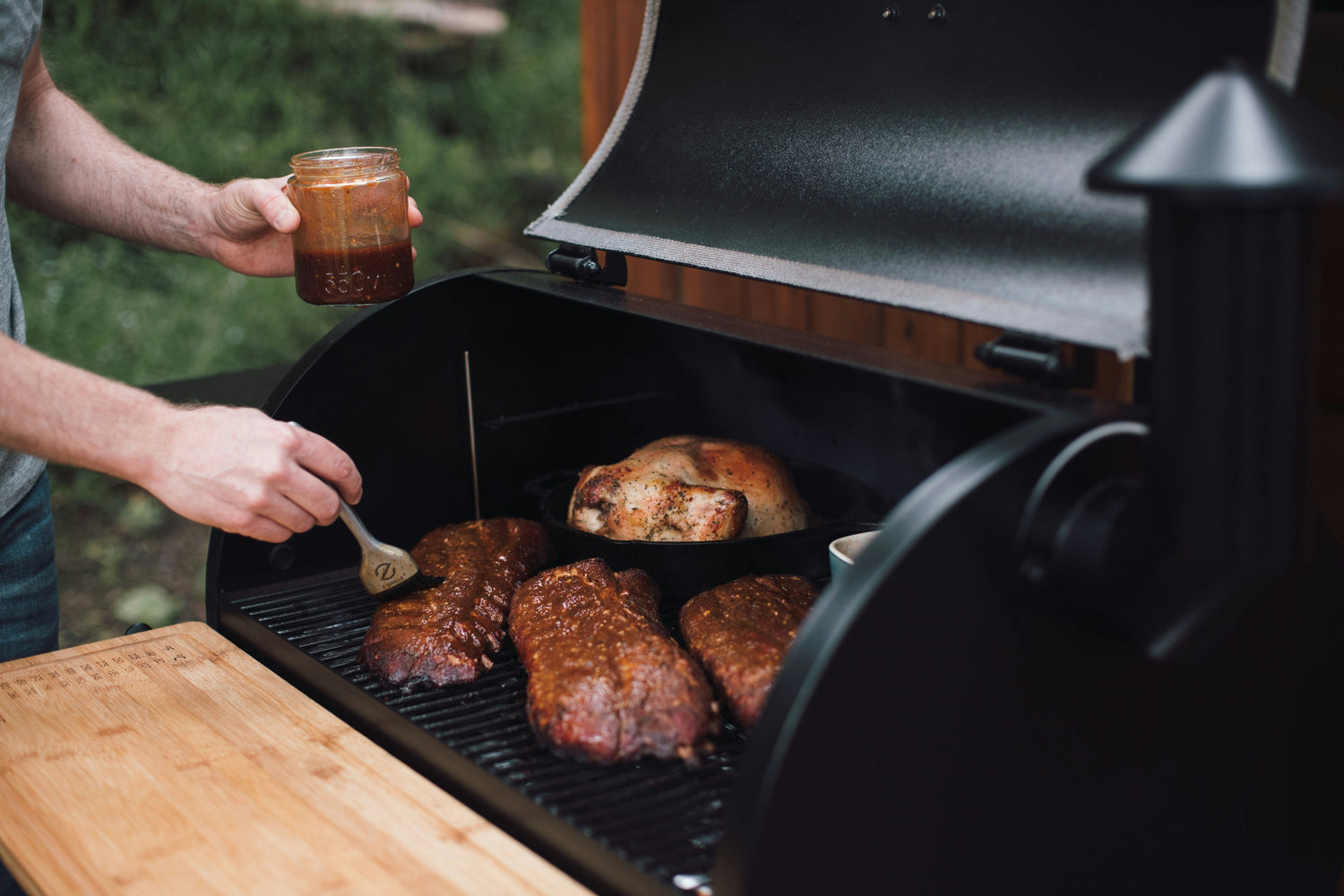
Welcome to the world of smoking meat at home. Learning how to use a smoker can feel a little intimidating at first. But once you get the hang of it, the process is simple, rewarding, and a whole lot of fun. With the right approach, you’ll discover that great results don’t take years of experience, just a little know-how and patience. In this guide, you’ll find practical smoking tips for beginners that you can put into action right away to start building confidence and creating delicious smoked meals.
Ten Food Smoking Tips for Beginners
Smoking meat at home doesn’t have to be complicated. These ten food smoking tips are designed for newbies who want to master the basics and enjoy the process along the way.
1 | Start with Beginner-Friendly Cuts of Meat
When you’re learning how to smoke meat at home, it’s best to begin with cuts that are forgiving and full of flavor. Pork shoulder, ribs, and whole chicken are all great choices for beginners. These cuts have enough fat to stay juicy during long cooking times, which means you don’t have to worry as much about them drying out. They also respond well to different rubs, wood types, and cooking methods, giving you room to experiment. Mastering these beginner-friendly cuts will help prepare you for more challenging meats later on.
2 | Choose the Right Wood for the Job
The type of wood you use plays a big role in the final taste of your food. A simple rule of thumb when smoking meat at home is to match the strength of the wood with the flavor and richness of the meat. Milder woods like apple, alder, cherry, and pecan pair great with poultry, seafood, and vegetables. Stronger options like hickory, mesquite, and oak are better suited for beef, lamb, and wild game.
If you’re just starting out, oak is a solid choice because it’s versatile and reliable. Bradley Bisquettes® make it easy to explore different flavors, offering a wide variety that works with everything from meats to desserts.
3 | Learn the 3-2-1 Rule for Ribs
Ribs are the number one meat to smoke, and for good reason: they’re flavorful, crowd-pleasing, and perfect for beginners. The classic 3-2-1 method is a tried-and-true way to achieve fall-off-the-bone results. Here’s how it works: smoke the ribs low and slow for 3 hours, wrap them in foil with a splash of apple juice or beer and steam for 2 hours, then finish uncovered for 1 hour while brushing on barbecue sauce to form a sticky glaze. This simple technique helps new smokers serve consistently delicious ribs.
4 | Maintain Low and Steady Temperatures
When it comes to using a smoker, remember the golden rule: low and slow wins the game. Most meats turn out best when cooked between 225° – 250°F, giving the smoke time to work its magic. It takes patience, but holding a steady temperature is the secret to juicy, tender results. Think of it as letting the smoker do the heavy lifting while you kick back, enjoy the day, and wait for that first bite.
5 | Focus on Clean, Steady Smoke
One of the most important food smoking tips for beginners is to know what kind of smoke you’re after. In charcoal smokers, pitmasters look for thin blue smoke, but with an electric smoker, consistent white smoke delivers the best results. That gentle smoke carries flavor and moisture, infusing your food without overpowering it. Bradley Smokers are designed to burn wood cleanly at lower temperatures, giving you steady, flavorful smoke instead of the harsh taste that comes from over-burned wood.
6 | Keep the Water Pan Full
Water plays a key role in smoking. A full pan helps regulate heat and keeps meat moist during long cooks, which is especially helpful when you’re learning how to smoke meat in a smoker. In a Bradley Smoker, the water bowl does even more. Each Bisquette is designed to extinguish in the water before it turns to ash, preventing unwanted tar and resin from sticking to your food. That means healthier smoke, better taste, and juicier results every time.
7 | Don’t Over-Season the Meat
One of the best things about smoking meat is that the wood itself adds big flavor. The smoke does most of the work, so there’s no need to pile on heavy seasoning. A simple salt-and-pepper blend or a light sugar-based rub is often all it takes to let the meat and smoke shine. For beginners, it’s better to go light with spices. You can always add more later, but you can’t take it away. The goal is to enhance the smoke, not compete with it.
8 | Resist the Urge to Peek or Flip
It can be tempting to lift the lid and flip your meat, but smoking works best when you leave it alone. Opening the smoker lets heat escape, which drops the temperature and can cause uneven cooking. Flipping also risks losing valuable moisture. Consistent heat is key, especially for long cooks like beef brisket, which can take 12 to 20 hours at 225° – 245°F (107°–118°C). Trust your smoker to do its job. Keep the lid shut, and only open it when you need to refill the water tray during extended smokes.
9 | Invest in a Good Meat Thermometer
When you’re smoking meat, don’t rely on the clock—go by temperature. Every cut cooks differently, and the only way to know it’s done right is with a reliable meat thermometer. Aim for 165°F with chicken, 195°–205°F for pork shoulder if you want it pull-apart tender, and ribs that feel probe-tender when you slide the thermometer in. A good thermometer takes the guesswork out of smoking your favorite meats.
10 | Practice Makes Perfect
The best way to learn how to smoke meat in a smoker is simply to keep at it. Try different cuts, experiment with new seasonings and rubs, and swap out wood types to see how each one changes the flavor. Every pitmaster starts as a beginner, and every smoke teaches you something new. Stick with it, enjoy the process, and before long you’ll have your own signature style.
Start with Bradley Smoker recipes and products for a smoother learning curve. Explore Bradley Smoker’s line of smokers, Bisquettes, and accessories to get started on your smoking journey today.


