

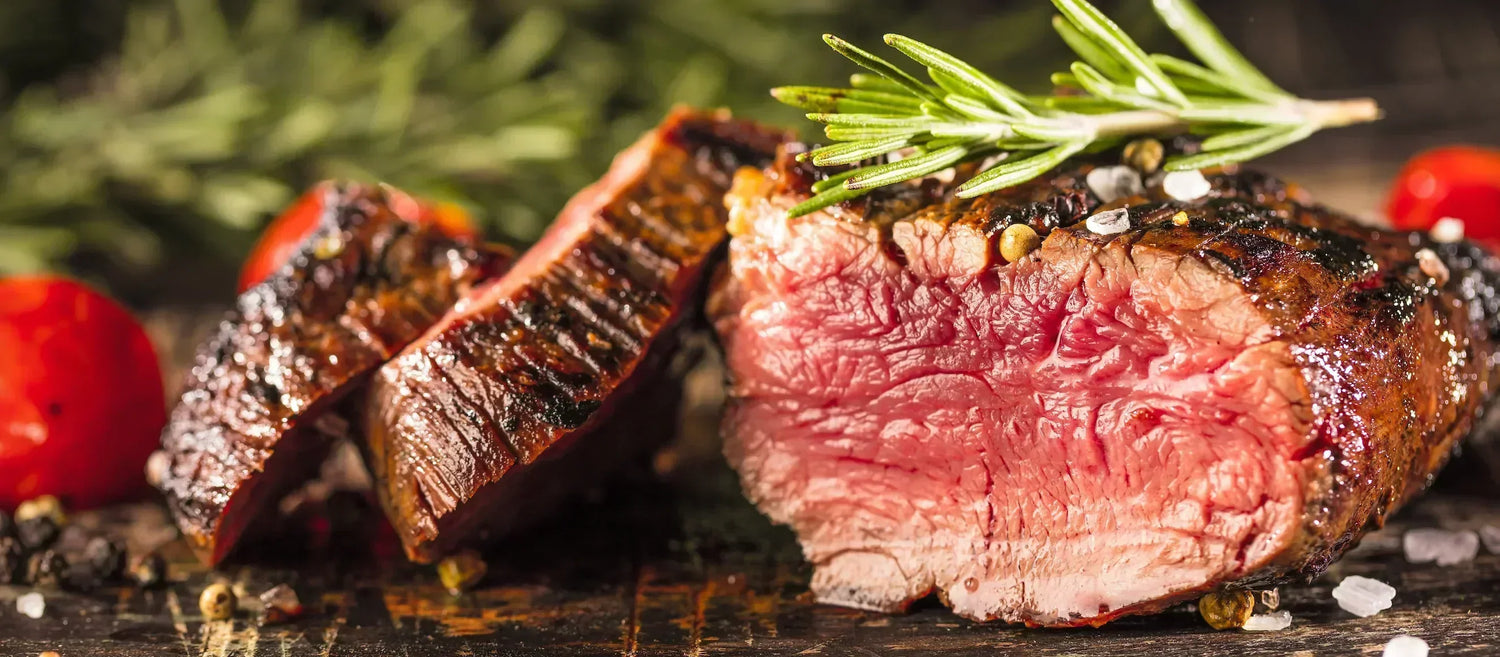
Backyard chefs new to food smoking are often confused about the difference between smoking and grilling food. At first glance, the two methods may look similar, but they’re worlds apart. Smoking is one of the oldest cooking techniques, originally used to preserve meat long before ovens, microwaves, grills, or refrigerators existed. The earliest barbecuing often took place in smokehouses, where food could hang for hours while absorbing flavor and slowly cooking.
Today, smoking is less about preservation and more about taste. It brings a rich, penetrating flavor to meat, fish, and vegetables. Smoked foods are prized for their tenderness and depth, making them stand out compared to grilled foods.
Main Differences Between Smoking and Grilling
There are two main differences between smoking and grilling: heat levels and cooking time.
- Grilling is typically done over high heat for a short period, making it great for burgers, steaks, and vegetables that cook quickly.
- Smoking uses lower heat over the course of several hours, giving the smoke time to infuse and transform the food.
Because of this extended cooking time, smoking is often considered the better option when you want food that’s more flavorful, tender, and versatile than what grilling can deliver.
Adding a smoker to your backyard setup is one of the best ways to elevate your barbecue game. With the right electric smoker, you can master the low-and-slow process, enjoy bigger flavor, and achieve consistently rewarding results.
Benefits of smoking food

Benefits of Smoking Food
The benefits of smoking food go well beyond taste:
- Enhanced flavors. Smoking intensifies taste as food slowly absorbs smoky richness. It boosts flavor, color, and aroma all at once.
- Food preservation. Smoking dehydrates and alters the meat’s chemistry, helping it last longer without sacrificing quality.
- Food safety. The process forms an acidic outer layer that slows bacterial growth and protects against contamination.
- Tenderizing tough cuts. Smoking at low temperatures over long periods turns tougher cuts like pork shoulder, brisket, and flat steaks into juicy, tender favorites.
- Hot and cold smoking options. Hot smoking cooks food with direct heat while cold smoking infuses flavor without cooking, great for cheese, fish, or nuts.
From a health perspective, smoking is often considered better than grilling because it avoids flare-ups and heavy charring, which can produce harmful compounds. By keeping temperatures steady and lower, smoking brings out big flavors while reducing those risks.
Smoking vs. Grilling at a Glance
Here’s a quick breakdown of the key differences between smoking and grilling so you can see which method fits your cooking style best.
|
Smoking |
Grilling |
|
Cooks food low and slow, usually between 200–250°F (93–121°C) |
Uses high, direct heat, usually 400–550°F (204–288°C) |
|
Takes several hours, depending on the cut |
Quick cooking, often 10–30 minutes |
|
Infuses food with deep, smoky flavor |
Creates char and sear marks for a grilled taste |
|
Breaks down connective tissue for tender, juicy results |
Best for smaller cuts that cook fast (steaks, burgers, hot dogs) |
|
Works well for larger cuts like brisket, pork shoulder, ribs, and whole poultry |
Works best for quick-cooking proteins and vegetables |
|
Often considered better for health since it avoids flare-ups and charring |
High flames can cause flare-ups that create harmful compounds |
|
Better option when you want unmatched flavor and tenderness |
Great when speed and convenience matter most |
So, when comparing smoking versus grilling, both methods have their place. Grilling is fast and convenient, but if you want unmatched taste, tenderness, and versatility, smoking is the clear winner.
Don’t forget to check out the Bradley Smoker Food Smoking Blog for more tips and tricks to get the most out of your smoker.


